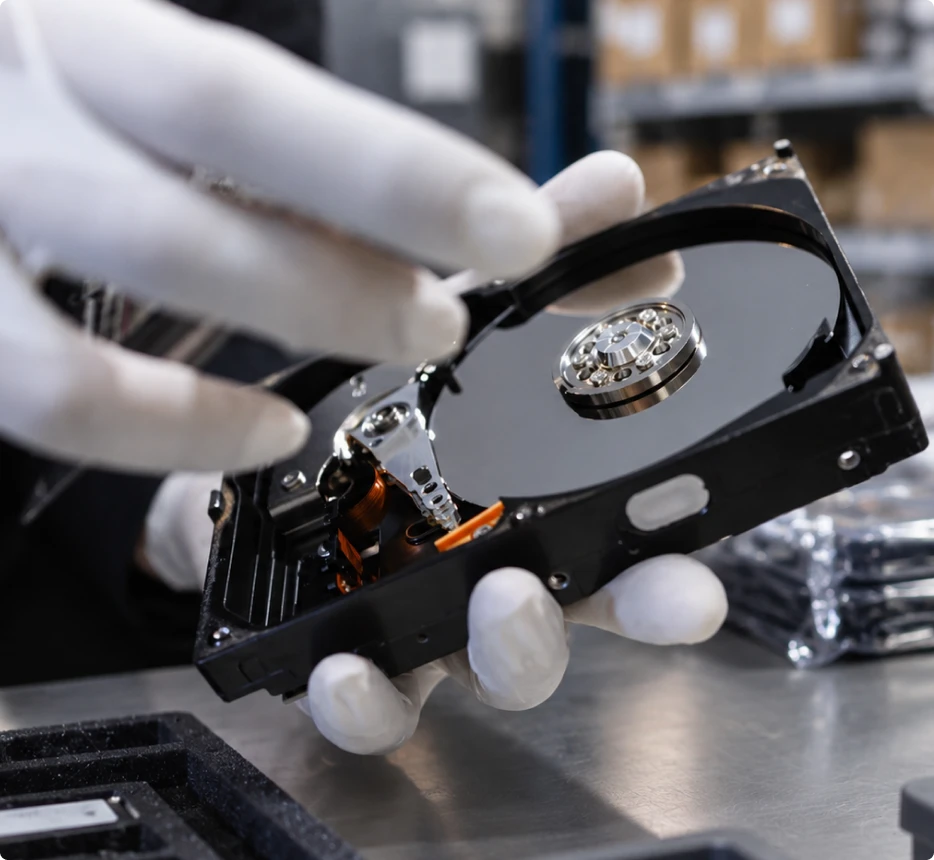
What Is IT Asset Recovery & Buyback?
IT asset recovery helps businesses reclaim value from surplus technology. Buyback involves an agreed purchase of eligible hardware, giving retired equipment a route back into use.
Silicon Lifecycle reviews your inventory and assesses purchase opportunities during upgrades, office clearances and infrastructure changes. Equipment without resale potential can be considered for recycling.
IT Equipment We Evaluate for Buyback
From complete systems to reusable components, explore the equipment we assess.
Enterprise Servers
Rack, tower and blade servers retired from business infrastructure.
Storage Systems
Storage arrays, enterprise drives and related storage hardware.
Networking Equipment
Switches, routers and firewalls from network upgrades and refreshes.
Business Laptops
Surplus business laptops, including retired employee device fleets.
Desktops & Workstations
Office desktops and workstations used for professional applications.
IT Components
Processors, memory and reusable parts from enterprise IT systems.
How Our Buyback Process Works
Six steps from inventory review to equipment collection, verification and settlement.k
Share Your Inventory
Send models, specifications, quantities, condition and location.
Review Your Offer
Review the proposed purchase value and assessment conditions.
Agree the Terms
Confirm payment, collection, data handling and reporting needs.
Collection & Receipt
Arrange pickup and record equipment against the agreed list.
Verify & Process
Check received assets and complete the agreed data treatment.
Payment & Records
Complete settlement and receive the agreed supporting records.
What Determines Your IT Assets Value?
Equipment details and current resale demand help establish a realistic offer.
Hardware Specifications
Processor type, memory, storage and configuration influence the value of each system.
Equipment Condition
Working status, cosmetic wear, missing parts and known faults affect purchase value.
Market Demand
Buyer interest and available resale channels influence demand for particular models.
Equipment Age
Hardware generation, compatibility and remaining useful life determine its relevance.
Asset Quantity
Lot size and consistency influence assessment, handling costs and purchasing options.
Component Value
Reusable processors, memory and drives may retain value even in incomplete systems.
Explore Our ITAD Resources
Read practical guides on IT asset disposition, data destruction, equipment resale, and responsible recycling to make informed decisions about retired technology.

Frequently Asked Questions
Find answers about selling surplus hardware, requesting a valuation and preparing equipment for buyback.
Businesses can submit servers, storage systems, networking equipment, laptops, desktops, workstations and selected components. Eligibility depends on model, configuration, condition, quantity and resale demand. An inventory review helps determine which items may qualify for a purchase offer.
An offer considers hardware specifications, condition, age, quantity and current market demand. Location, collection requirements and agreed processing services may also affect the final amount. Confirm any inspection conditions and applicable charges when reviewing the proposal.
Some older or faulty systems retain value through usable components or demand for replacement parts. Others may have no practical resale value. Submit model numbers and known faults so suitable equipment can be assessed for buyback or recycling.
Silicon Lifecycle reviews bulk inventories from hardware refreshes, office clearances and infrastructure replacements. Share quantities, configurations, condition and collection locations. Identify mixed models and incomplete units so the assessment reflects the equipment available.
Confirm your backup and retention requirements with your IT team before releasing equipment. Identify all data-bearing devices and agree the required sanitization or destruction method, responsibilities and documentation with Silicon Lifecycle before collection.
Send your equipment list with manufacturers, model numbers, specifications, quantities, condition and location. Photos can help identify configurations or missing parts. Include your preferred collection date and any access restrictions so Silicon Lifecycle can review the inventory and proposed arrangements.
Payment timing depends on the agreed purchase terms and any required equipment inspection. Before collection, confirm when payment is due and whether differences in quantity, configuration or condition could affect the final amount.

Recover value from surplus IT equipment.
Share your equipment list to discuss purchase options for your business.
