
Key Takeaways
- Equipment triage in ITAD is the stage where retired enterprise hardware is evaluated and sorted for its next use.
- Strong triage ensures secure data destruction, value recovery, and responsible recycling of IT assets.
- Decision criteria factor in device condition, age, data sensitivity, and potential for remarketing.
- Triage choices directly set paths for resale, parts harvesting, and recycling services in ITAD.
- Following a clear triage process helps organizations manage risk, recover value, and support sustainability.
The volume of enterprise hardware reaching end of life continues to rise, making IT asset disposition (ITAD) crucial for every large organization. According to Fortune Business Insights, the global enterprise IT asset disposition market was valued at $7.74 billion in 2025 and is projected to reach $21.51 billion by 2034. At the heart of ITAD, equipment triage decides how each asset will be handled.
This sorting stage is not just about removing retired devices, it also balances data protection, value recovery, and environmental responsibility. In this article, you’ll learn what equipment triage means in ITAD, how assets are sorted and graded, and how these decisions shape downstream services such as hardware remarketing and secure data destruction. By understanding triage, IT leaders can improve hardware lifecycle practices and achieve stronger value recovery.
The Role of Equipment Triage in ITAD
Equipment triage in ITAD is the structured evaluation and sorting of retired technology assets to determine their next step. Unlike general sorting, triage drills into each device’s condition, security needs, and resale prospects, making sure no detail is missed. This process forms the foundation of ITAD sorting and grading for both specialist providers and in-house teams.
Triage is more than separating working from non-working devices. It optimizes each asset’s outcome for value, compliance, and environmental care. Serving as the gate between asset retirement and downstream actions, triage impacts the success of the entire disposition process. Assets with value get another chance, sensitive devices are securely sanitized, and obsolete units are recycled through responsible channels.
Within ITAD sorting and grading, triage involves careful inspection and clear classification. By taking a consistent approach, organizations reduce the risk of data leaks, compliance issues, and lost value recovery. Criteria like physical condition, market appeal, and data presence all guide final disposition choices.
The core outcomes of equipment triage in ITAD include:
- Redeployment: Devices that meet current standards can return to use in the organization.
- Resale: Hardware with commercial value but not needed internally is routed to enterprise hardware remarketing channels.
- Parts Harvesting: Nonworking or outdated items are broken down for reusable components.
- Data Destruction and Sanitization: Devices that hold data or are obsolete are marked for secure wiping or destruction.
- Responsible Recycling: End-of-life or unusable equipment enters approved electronics recycling streams.
These outcomes show triage is not just sorting, it is a vital risk, value, and compliance management task. Done well, triage underpins every modern IT asset disposition services program and helps organizations protect information and meet sustainability goals. For a comprehensive overview of ITAD, see our ultimate guide.
Key Decision Criteria for Sorting and Grading IT Assets

Consistent, criteria-based evaluation is fundamental to IT asset disposition. Applying the right standards helps prevent mistakes that could hurt resale, create compliance problems, or expose sensitive data. Let’s break down the leading grading factors in ITAD sorting and grading for enterprise hardware remarketing and responsible outcomes.
Physical Condition and Age
Evaluators look at cosmetic wear, working order, and equipment age. Devices in strong operating condition or with low usage often go to redeployment or resale. Older hardware, out of warranty or lacking updates, is usually set aside for parts harvesting or recycling.
Market Demand and Remarketing Potential
Understanding market trends is crucial. Certain models maintain high value due to demand, continued support, or relevant features. Devices that fit market needs are sent to resale streams to maximize recovery.
Data Sensitivity and Security Requirements
Not every asset carries the same data risk. Devices with sensitive business or customer data require special handling for data destruction and sanitization. Triage flags these devices, ensuring secure processing before they enter any resale or recycling path.
Manufacturer and Model Considerations
The brand and model greatly impact resale value and reuse options. High-profile manufacturers and current models usually draw higher returns, while generics or obsolete models are likely to be harvested for parts or recycled. Accurate model identification shapes every downstream decision.
Sustainability and Recycling Factors
Some equipment, due to hazardous materials or lacking market value, should move directly to responsible electronics recycling. Sustainability priorities include reducing e-waste, managing hazardous components safely, and using recycling streams that support the circular economy.
By using these criteria during ITAD sorting and grading, triage specialists help organizations recover value and remain compliant with regulations for every asset.
How Triage Connects to Downstream ITAD Services
Triage serves as the decision point that determines which downstream ITAD services apply to each asset, shaping the journey from retirement to final disposition. Once assets complete ITAD sorting and grading, key services are triggered based on their triage outcome.
- Data destruction and sanitization for all devices marked as data-bearing or requiring secure treatment, ensuring that information is removed before further action.
- Resale through enterprise hardware remarketing channels, getting suitable devices refurbished and sold to maximize value recovery.
- Parts harvesting for items not fit for full resale, extracting valuable components for reuse or sale.
- Responsible electronics recycling for assets at end of life or unfit for reuse, diverting e-waste from landfill and managing hazardous materials safely.
- Detailed reporting to meet regulatory, financial, and sustainability needs, documenting the fate of each asset.
Triage decisions create a direct link between initial evaluation and every step of the IT asset disposition process. Good triage ensures all data, value, and sustainability concerns are addressed for each hardware category.
Step-by-Step Process of Equipment Triage in Practice
Carrying out equipment triage in ITAD requires a defined process with clear steps for intake, review, and decision-making from the moment hardware enters the process. This approach forms the core of ITAD sorting and grading, providing control and transparency throughout. Grand View Research reports that in 2025, computers and laptops accounted for 43.3% of ITAD market revenue, making precise triage critical for these assets.
- Asset Receipt and Intake
Assets are logged into inventory upon arrival at the ITAD facility or on-site location. Each item is tagged, and key information like serial numbers and asset tags is recorded for tracking. - Initial Inspection
Visual checks look for obvious flaws, missing components, and safety concerns. Technicians document cosmetic and working condition for grading and verify all items are present. - Data Verification
Asset records are checked to see which systems have storage devices. Data-bearing hardware is flagged for secure handling, moving them into the queue for destruction or sanitization. - Functional Grading
Devices undergo operational testing and are graded by performance, cosmetic state, and upgrade options. Newer, working models are considered for redeployment or resale, while others may go to parts recovery or recycling. - Decision Routing
Based on grading and market analysis, assets are sent to the right downstream service. High-value items go to enterprise hardware remarketing; others are prepared for parts or recycling. - Documentation and Compliance
Every decision is recorded, including proof of data destruction or sanitization. This documentation supports audits and compliance, closing the ITAD sorting and grading process for each item.
Following these steps allows IT teams to handle large volumes of retired devices while meeting expectations for data protection, value, and sustainability. For a deeper understanding of ITAD processes, see our IT asset disposition guide.
Value Recovery and Remarketing Outcomes
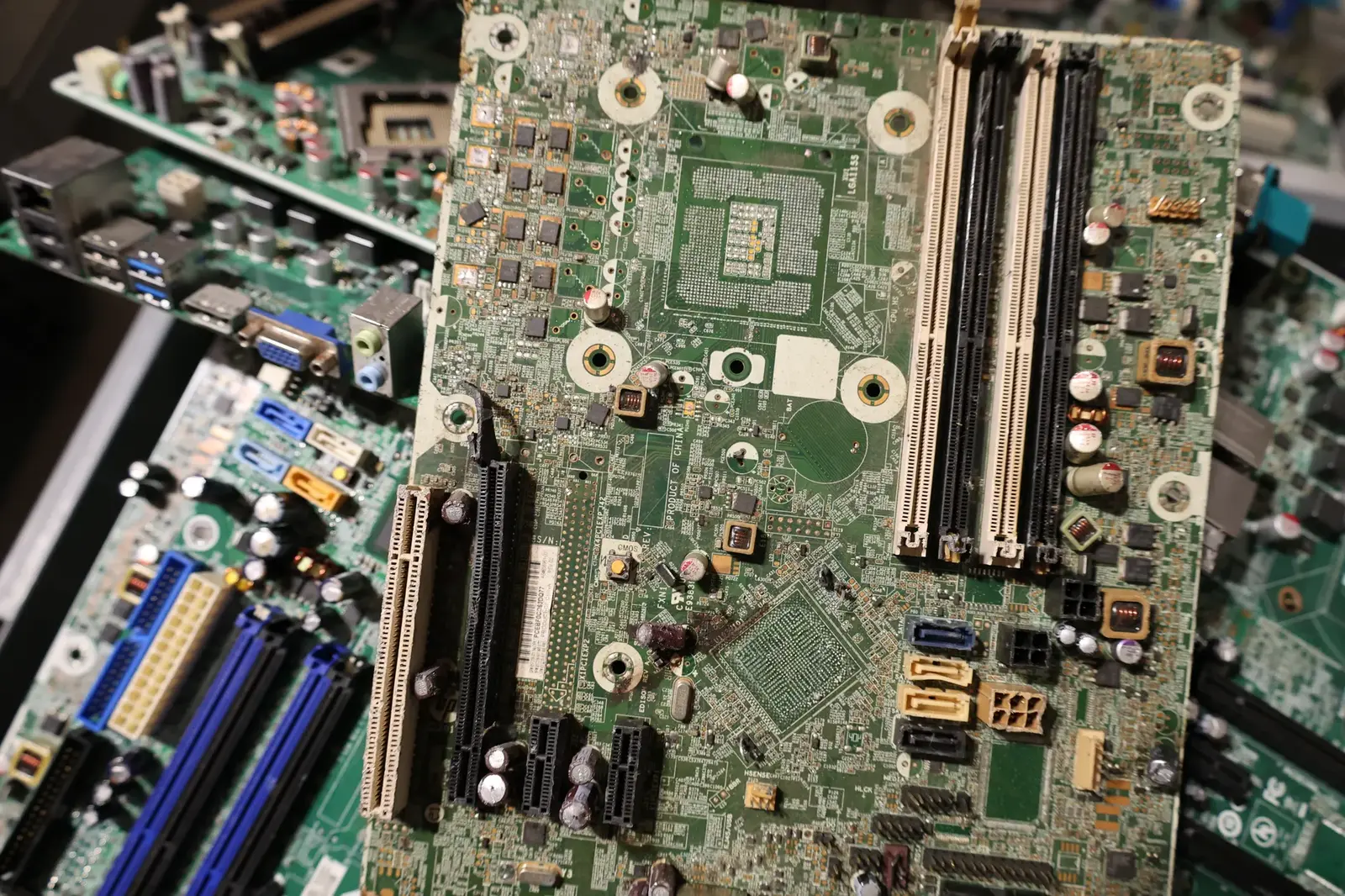
Careful ITAD sorting and grading lead to effective value recovery from retired hardware across several channels. The enterprise hardware remarketing process captures revenue through resale, while redeployment, parts harvesting, and recycling offer alternative paths. The table below highlights main disposition outcomes, typical device types, and expected value.
| Outcome | Description | Typical Devices | Value Potential |
|---|---|---|---|
| Redeploy | Return to use in the organization | Recent laptops, servers, networking gear | Highest (cost savings) |
| Resell | Sold to external buyers or brokers | Business laptops, phones, tablets, switches | Moderate to high |
| Harvest for Parts | Components removed for reuse or resale | Obsolete servers, storage arrays, niche items | Moderate (by component) |
| Recycle | Materials recovered by responsible recycling | CRT monitors, damaged or legacy devices | Lowest (commodity value) |
Redeployment delivers the most value by avoiding new purchases. Resale creates new revenue, subject to market and regulatory limits on age or data presence. Parts harvesting extracts value from devices that are no longer marketable as a whole but contain sought-after components. Responsible electronics recycling is reserved for truly obsolete or damaged equipment, producing only commodity material value.
These outcomes rely on precise grading, market insight, and disciplined data destruction and sanitization, all central to a strong ITAD triage program.
Challenges and Risks in Equipment Triage
While equipment triage is vital for ITAD, it poses risks if mismanaged. Mistakes can reduce recovery, create security threats, or lead to poor environmental results. Recognizing these challenges helps organizations build effective safeguards.
- Security threats from unrecognized data-bearing devices or incomplete data destruction, risking breaches.
- Inconsistent ITAD sorting and grading, causing misclassification and lost remarketing chances.
- Compliance issues if triage documentation is incomplete or incorrect, complicating audits.
- Value loss by sending equipment to recycling too soon or missing reusable parts.
- Environmental impact when e-waste isn’t directed to responsible recycling, increasing landfill or improper disposal.
Quality controls such as dual inspection, digital asset tracking, and regular audits help avoid these risks. Clear triage rules and ongoing staff training further strengthen the process for security and sustainability.
Technology and Tools Supporting ITAD Triage
Technology makes the IT asset disposition process more precise and transparent. Effective equipment triage now depends on digital tools for asset identification, grading, secure data handling, and workflow management.
Asset Tracking and Inventory Systems
Leading ITAD providers use robust asset tracking, giving real-time visibility into hardware status. RFID tags, barcodes, and QR codes help monitor each device from arrival through final disposition, reducing mistakes and ensuring documentation.
Automated Grading Tools
Automated diagnostic tools speed up assessment, standardizing component and software tests. These solutions quickly spot hardware eligible for enterprise hardware remarketing or flag issues for parts harvest or recycling.
Data Sanitization Technologies
Secure data destruction and sanitization rely on dedicated wiping tools. Automated processes help ensure media is purged to industry standards, creating a digital record for traceability and reporting.
Reporting and Chain-of-Custody Solutions
Full documentation matters at every stage of IT asset disposition. Digital reporting and chain-of-custody tools generate audit-ready records from automated logs, supporting internal governance and compliance throughout triage.
By using these systems, organizations gain better process reliability, increased recovery, and easier compliance with less manual work.
Sustainability and Responsible Electronics Recycling
Responsible electronics recycling is central to sustainable IT asset disposition. Equipment triage in ITAD helps separate what can be reused, what must be recycled, and how those streams are managed.
- E-waste is reduced by identifying reusable or remarketable hardware, keeping devices in service longer.
- Circular economy goals are met when resale and redeployment are prioritized, allowing equipment and components to have extended lifespans.
- Environmental compliance comes more easily when equipment is sorted and documented at triage, supporting correct handling of hazardous parts.
- Sustainability reporting depends on accurate processing records, captured during IT asset disposition, to track and demonstrate organizational progress.
According to Grand View Research, the global IT asset disposition market was valued at $28.3 billion in 2025 and is projected to reach $65.7 billion by 2033. As demand for responsible ITAD grows, triage-led recycling and recovery help organizations reach their sustainability goals.
Silicon Lifecycle’s Approach to Equipment Triage in ITAD
At Silicon Lifecycle, equipment triage in ITAD is a structured discipline for capturing maximum value while safeguarding data and the environment. The process carefully covers every stage of the IT asset disposition process, applying rigorous evaluation, secure data destruction and sanitization, and precise routing for enterprise hardware remarketing and responsible electronics recycling.
What distinguishes Silicon Lifecycle’s triage process:
- Multi-stage inspection that combines expert visual review and digital grading for each device
- Transparent, item-level reporting with clear proof of data destruction and disposition results
- Integration with global hardware remarketing networks to maximize resale value when possible
- Dedicated partnerships with responsible recyclers for devices unsuitable for reuse or redeployment
- Flexibility to support client sustainability programs and custom reporting needs
With this approach, Silicon Lifecycle enables secure hardware retirement, efficient value recovery, and strong environmental performance, all with full control and transparency at every step. For more on the overall ITAD process, see our ultimate guide.
Frequently Asked Questions About Equipment Triage in ITAD
1. What does equipment triage mean in ITAD?
Equipment triage is the process of sorting and evaluating retired IT assets to decide if they should be redeployed, resold, recycled, harvested for parts, or sent for secure data destruction and sanitization.
2. How does equipment triage fit into the overall IT asset disposition process?
Triage is the first major step after asset retirement, guiding each device to the right downstream ITAD service based on condition and risk, enabling smooth transitions to resale, recycling, or destruction.
3. What criteria are used to sort and grade IT assets during triage?
Important factors include device condition and age, current market demand, specific model, presence of sensitive data, and environmental considerations, all influencing whether an asset is resold, recycled, or sanitized.
4. How does triage ensure secure data destruction and sanitization?
Devices flagged as data-bearing during triage are routed for certified wiping or destruction before any resale, reuse, or recycling, ensuring sensitive information is fully protected at every stage.
5. What happens to devices after they are triaged?
Depending on triage results, devices are redeployed, sold through remarketing, dismantled for valuable parts, or sent for responsible electronics recycling, following the optimal path for value and risk management.
6. How does equipment triage support responsible electronics recycling?
Triage identifies e-waste and separates it from reusable hardware, ensuring that hazardous or outdated devices are handled by approved recyclers and supporting the circular economy with precise intake sorting.
7. What are the main risks if triage is not done properly?
Errors in triage can cause data breaches, missed compliance, lower value recovery, or improper disposal of dangerous equipment, which can affect both finances and reputation.
8. Which types of enterprise hardware benefit most from triage?
Laptops, desktops, servers, and networking equipment usually hold the most value or risk, making accurate triage especially important for maximizing value and addressing security or environmental concerns.
9. How does Silicon Lifecycle approach equipment triage differently?
Silicon Lifecycle uses multi-stage grading, transparent reporting, and integrated resale and recycling partnerships, offering clients detailed insight and value at every step with a focus on secure data handling and sustainability.
10. How can organizations prepare for an efficient ITAD triage process?
Organizations should keep accurate asset inventories, document security needs, and work with ITAD providers who offer thorough intake, tracking, and reporting to streamline evaluation and disposition.
